
Specialists who treat gambling and substance misuse are increasingly seeing online shopping addicts
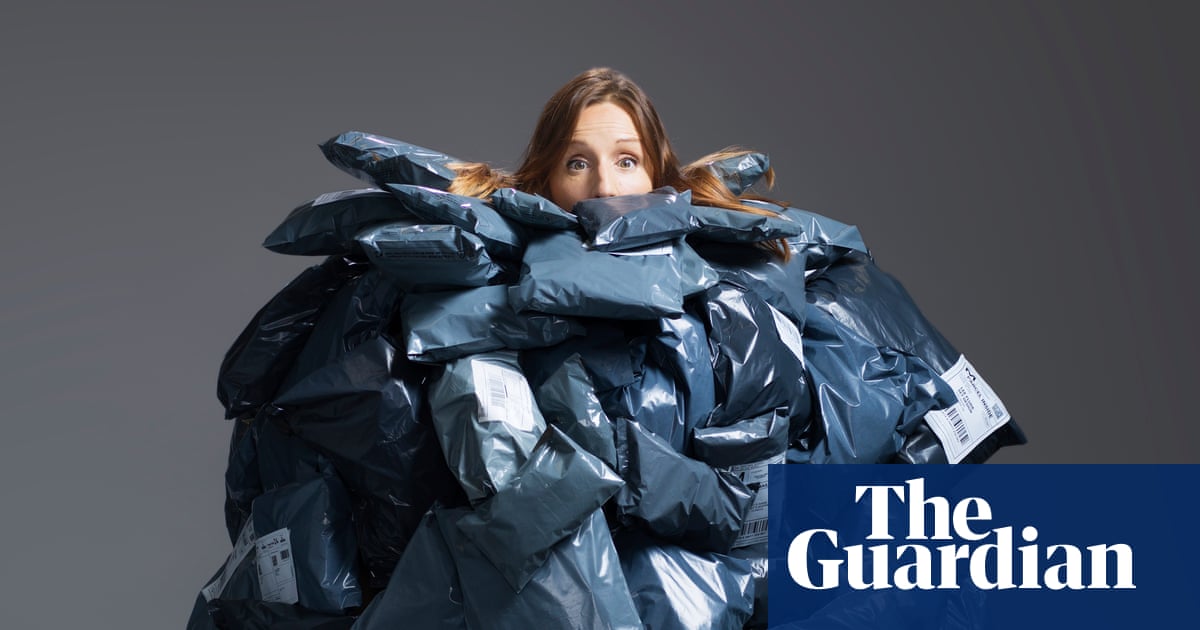
Clinicians who treat gambling and substance misuse are seeing more patients whose compulsion is online shopping, and they say deleting the apps is rarely enough. A former fashion editor of the Guardian describes how the habit feels from inside: eight days before her wedding, at 4.30am on a Monday, she sat on the bathroom floor on Vinted, sure the day hinged on secondhand Prada patent peep-toes or Miu Miu wedges with small triangular crystals. Both had been listed for more than a fortnight and cost under £100; Sunday is the best day for new drops, she notes, because people are online. She bought the Pradas for £80 so she could sleep.
She scrolls within an hour of waking and again at night, saves listings because she worries about money, and still buys one or two items a week on Vinted, eBay and Vestiaire Collective. Over six months the haul ran from Eastpak bags and children’s shoes to fake and genuine Ray-Bans, beauty products, designer pieces and a frothy pink Alessandra Rich SS13 dress won on eBay for £200 that arrived from Illinois a month later and was worn for the first dance. Including the wedding dress, the total was £714 — just over £100 a month — while her bedroom, she writes, has come to resemble Big Edie’s in Grey Gardens, with a “living chair” of clothes she actually wears and a lingering belief that what she needs is still waiting on an app.
She has bought other people’s clothes for more than 20 years, starting at 21 in Turin’s Saturday markets and later on Brick Lane and in Oxfam, drawn as much by the hunt as by price. She still prefers keeping garments in circulation to new “elevated high street” buys — a used Max Mara coat can cost less than a £200 Zara one — but during the pandemic, from March to June 2020, the hunt moved fully online, and that is when the compulsion tightened.
Continue in the app — vote & join in ➔