
Brain cell networks remodel as mice form cocaine habits
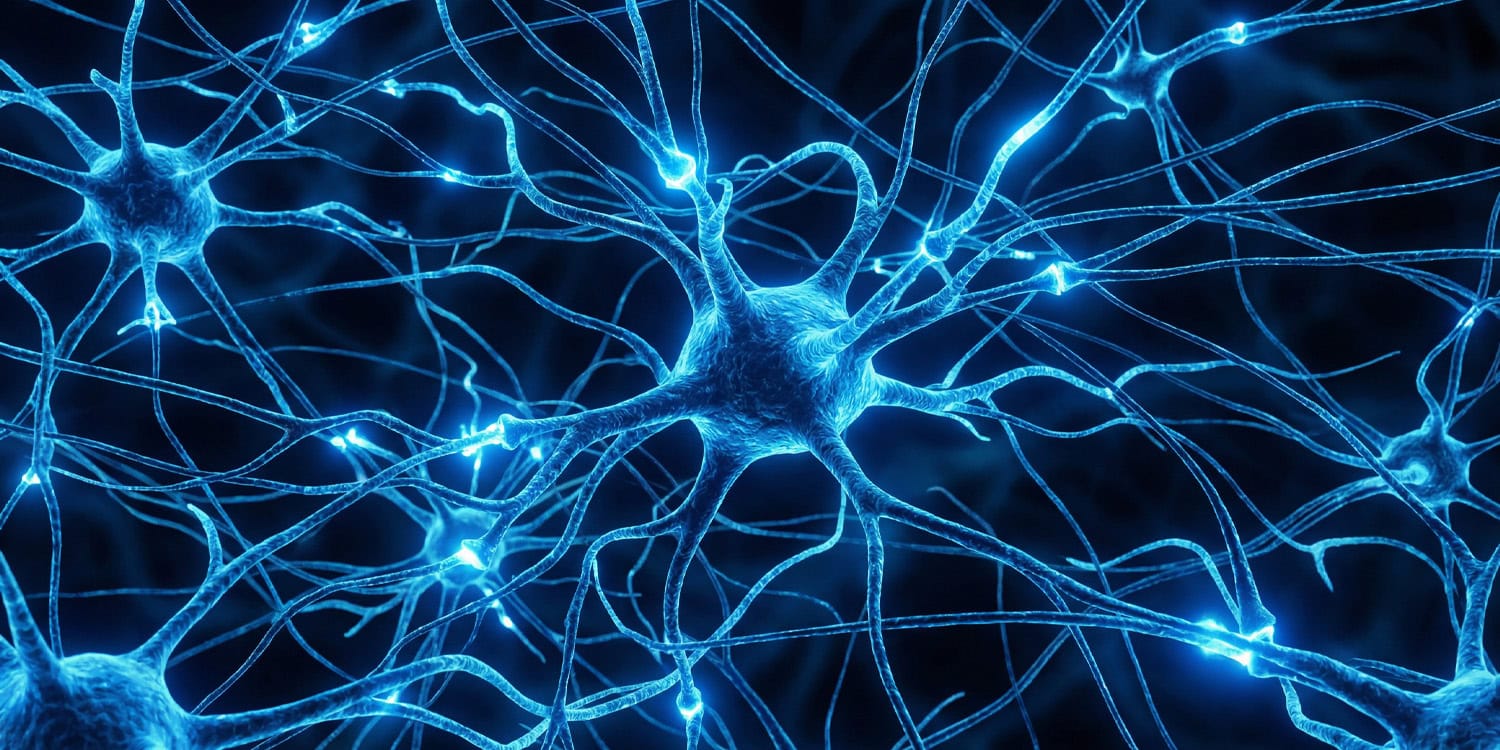
A small study published in The Journal of Neuroscience shows that as cocaine-seeking turns into an automatic habit, the brain circuitry behind it remains in flux. Neuroscientists Linjie Jin, Xiguang Qi, and Yan Dong at the University of Pittsburgh found that the cluster of neurons driving drug-taking initially expands during early learning before shrinking back down once the routine solidifies, continually swapping out individual cells even while outward behavior stays stable.
To watch this remodeling in real time, the team trained male mice over 11 days in two-hour daily sessions to press an active lever for cocaine paired with a flashing light and a tone, while an inactive lever had no effect. Using calcium imaging and head-mounted miniature microscopes aimed through implanted glass cylinders, the scientists tracked medium spiny neurons in the nucleus accumbens, a deep-brain hub for reward, motivation, and movement where these cells act as action gates.
Combining AI body-tracking with a statistical analysis called mutual information, the researchers isolated neurons firing within five seconds after a lever press. Unlike control mice trained for sugar water, cocaine-seeking mice shifted from erratic wandering to direct paths, shorter intervals between presses, and repetitive circular movements around the chamber.
Continue in the app — vote & join in ➔